Skilled Water Heater Installation Solutions to Ensure Your Home Stays Comfortable All Year Long
The installation of water heaters is a key factor in maintaining home comfort. Professional services ensure compliance with safety standards and enhance efficiency. Qualified experts examine personal needs to pick the most appropriate appliance. read guide This careful approach can prevent future complications and optimize energy use. Recognizing the value of professional setup brings up concerns regarding choosing appropriate services and different water heater types offered. What elements must residents examine to arrive at an educated selection?
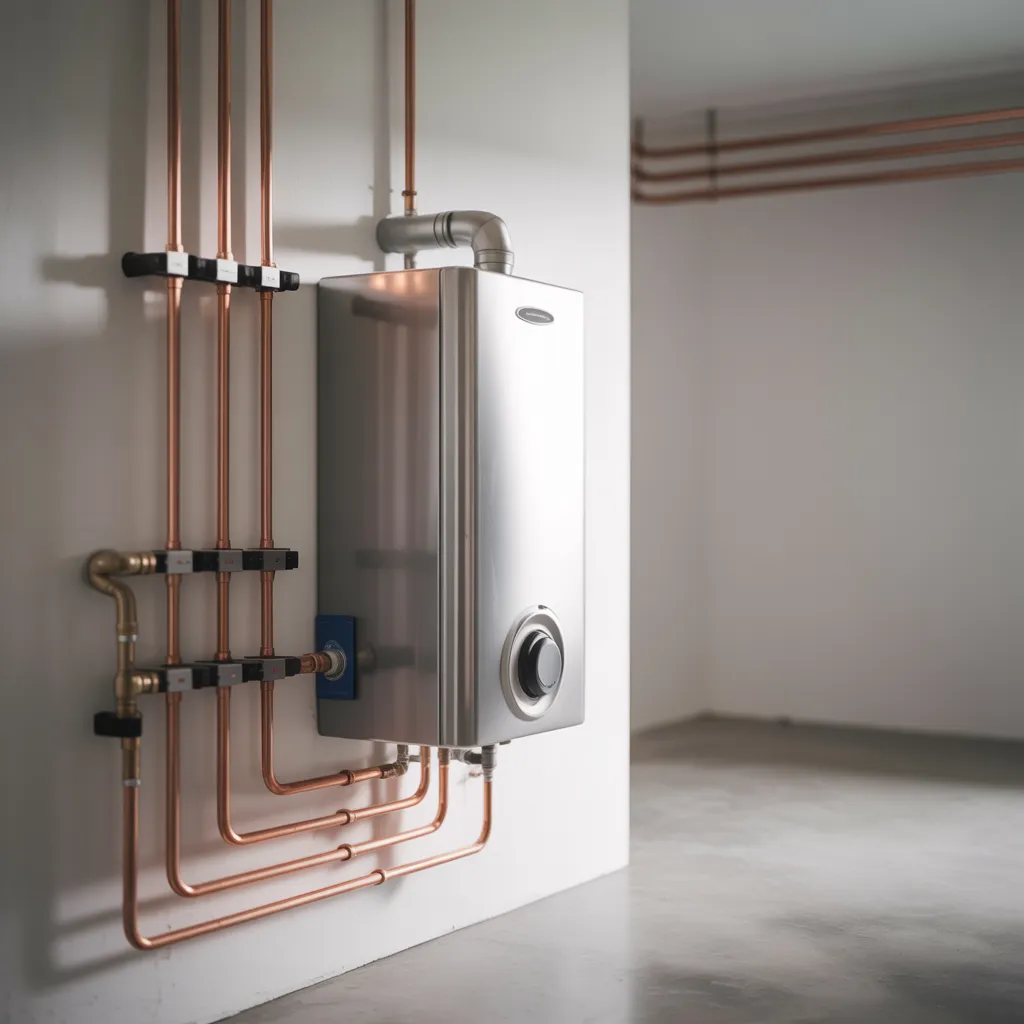
How Professional Water Heater Installation Benefits Your Home
As property owners contemplate enhancing their water heating units, the value of professional installation cannot be overstated. Correct installation is essential to maintain safety, efficiency, and longevity of the system. A qualified technician holds the necessary training and experience to adhere to local codes and regulations, decreasing the risk of errors that could lead to hazards such as leaks or electrical issues. Furthermore, professional installers can accurately assess the particular needs of a home, making certain the selected unit is suitably sized and configured for optimal performance. This not only boosts the unit's functionality but can also avoid future costly repairs. Additionally, expert installation often includes warranties that protect the homeowner's investment, delivering peace of mind. In contrast, DIY installations may lead to complications that could compromise the system's effectiveness and safety, making professional installation an vital consideration for any homeowner seeking to upgrade their water heating system.
Benefits of Skilled Water Heater Installation
Expert water heater installation delivers significant advantages, particularly in terms of safety and energy efficiency. Expert technicians ensure that all safety protocols are thoroughly implemented, minimizing the risk of potential issues. Additionally, their expertise of optimal installation techniques results in better energy efficiency, consequently decreasing utility costs for homeowners.
Enhanced Safety Measures
What impact can enhanced safety measures have on the installation of water heaters? Professional water heater installation services prioritize safety through conformity to local codes, regulations, and industry standards. Installers receive training to manage potential hazards, such as gas leaks or electrical issues, seeing to it that installations are performed correctly and safely. By implementing proper techniques and using high-quality materials, they decrease the risk of accidents or malfunctions. In addition, professional installers perform thorough inspections before and after installation, identifying potential safety concerns that an inexperienced person could miss. This level of diligence not only enhances the safety of the household and supplies peace of mind for homeowners, knowing that their water heater is securely set up and working as designed.
Optimal Energy Effectiveness
Although many homeowners might underestimate the critical nature of professional installation, optimal energy efficiency is among the main benefits that can notably enhance the performance of a water heater. When installed by specialists, water heaters are configured to function at their maximum efficiency levels, limiting energy waste and lowering utility bills. Specialists verify that all components, including pipes and fittings, are correctly sized and fitted, avoiding heat loss and maximizing energy use. In addition, they can advise on the most appropriate models based on the household's needs, confirming that the water heater operates properly without overworking. Ultimately, professional installation not only prolongs the lifespan of the unit but also facilitates a more environmentally conscious and cost-effective household environment.
Popular Water Heater Varieties and Their Benefits
When considering water heater alternatives, homeowners typically encounter a number of types, each offering particular advantages that suit different needs. Classic tank water heaters are popular for their ability to store hot water, making them suitable for larger households. They are typically less expensive initially but may result in higher energy costs over time.
In contrast, tankless water heaters deliver hot water on demand, providing energy savings and the convenience of never running out of hot water. They are space-saving and well-suited for smaller spaces.
Heat pump water heaters utilize electricity to move heat, offering significant energy efficiency in moderate climates. Solar water heaters utilize sunlight, decreasing utility bills and environmental impact but may demand a greater upfront investment.
Every type offers distinctive advantages, letting homeowners to pick a system that corresponds to their specific usage patterns and energy efficiency targets.
How to Tell When Your Water Heater Requires Replacement?
What symptoms show that a water heater should be replaced? Homeowners must stay alert for various critical warnings. To begin with, the unit's age is a major factor; most water heaters last between 8 to 12 years. Should a unit reach or go beyond this timeframe, replacement must be contemplated. Additionally, observable leaks or standing water at the base warns of potential failure. Also, erratic water temperatures or diminished hot water provision may point to internal defects. Brown or stained water represents another alert, implying corrosion in the tank. Furthermore, strange sounds, including popping or banging noises, frequently indicate sediment accumulation or equipment malfunction. Lastly, rising energy costs could indicate poor efficiency, requiring thorough examination. Detecting these warnings can aid homeowners in averting unforeseen malfunctions and securing consistent hot water availability.
Picking the Ideal Water Heater Installation Service
What's the best way for homeowners ensure they select the top water heater installation service? Initially, they should look into local companies by checking online reviews and reviewing ratings on platforms like the Better Business Bureau. This assists in determine the quality of service provided. In addition, homeowners should request quotes from multiple services to assess pricing and determine what is included. It's important to verify that the preferred installer is properly licensed, fully insured, and highly experienced, as this confirms compliance with safety regulations and industry standards. Homeowners may want to consider asking for recommendations from friends or family, as individual testimonials can provide valuable insights. Lastly, a reputable service provider will offer warranties for both labor and equipment, demonstrating confidence in their work. By implementing these steps, homeowners can make informed decisions and choose a water heater installation service that fulfills their individual needs and expectations.
Understanding What Happens During Installation
Homeowners can anticipate a systematic and streamlined process during water heater installation once they have selected a reputable service. At the start, the installation team will appear promptly, prepared with the appropriate tools and equipment. They will complete a complete assessment of the existing plumbing and electrical systems to ensure compatibility with the new water heater.
Upon finishing the inspection, the professionals will properly disconnect the old unit, carefully following all safety protocols. Next, they will properly install and fasten the new water heater, connecting it to the water supply and power source. Throughout the process, the team will provide consistent updates, handling any questions the homeowner may have.
After the installation is completed, they will perform a series of tests to verify the unit functions both efficiently and safely. Lastly, the team will clean up the workspace, leaving the area neat and ready for the homeowner's use.
Best Practices for Maintaining Your Water Heater for Optimal Performance
Taking care of a water heater is vital for guaranteeing its performance and lifespan. Regular flushing aids in eliminating sediment buildup, while setting the temperature level can improve energy efficiency. These simple practices can substantially improve the efficiency of a water heater.
Standard Flushing Procedure
Routine water heater flushing is vital for ensuring its optimal performance and longevity. As time passes, deposits of minerals and sediment can gather at the bottom of the tank, leading to reduced performance and possible harm. To complete a flush, one should initiate by disabling the gas or power supply to the heater. Next, the cold water inlet is shut off, and a hose is fastened to the drain valve, directing water to a appropriate disposal area. Releasing the drain valve allows the contaminated water to drain. It is recommended to routinely verify the flushing process, making certain all sediment is expelled. Executing this service procedure at least one time per year can greatly improve the water heater's performance and longevity.
Temperature Control Modifications
Changing the temperature setting of a water heater is vital for both energy efficiency and comfort. Most experts advise setting the thermostat between 120°F and 140°F. This range delivers adequate hot water while minimizing energy costs and lowering the risk of scalding. Regular inspections of the temperature can help sustain optimal performance; if the water is consistently too hot or too cold, adjustments may be necessary. Moreover, insulation around the tank and pipes can improve efficiency, keeping water warm longer. Homeowners should also be aware that seasonal changes may demand temperature adjustments to maintain consistent comfort throughout the year. Implementing these simple adjustments can significantly lengthen the life of the water heater and improve overall household energy use.
Questions and Answers
How Long Will a Water Heater Installation Usually Take?
A typical water heater installation generally takes between two to four hours, based on factors such as the kind of heater, existing plumbing connections, and any extra modifications required for proper installation and setup.
Can I Handle Water Heater Installation Myself?
Self-installation of a water heater is achievable for those with adequate plumbing and electrical understanding. Nonetheless, local codes and safety standards require compliance, making professional installation a safer and usually more dependable solution.
What Permits Do You Need for Water Heater Replacement?
Generally, permits needed for water heater installation include a plumbing permit and occasionally electrical permits, based on local regulations. Homeowners should get in touch with their local building authority to verify compliance with all applicable codes and requirements.
How Do I Know the Proper Size Water Heater for My Home?
To figure out the appropriate size water heater, one must consider family size, maximum water demand, and specific fixture requirements. Computing the required gallons per minute will aid in selecting an adequate capacity for reliable hot water provision.
What Types of Warranties Are Offered for Water Heater Installation?
Various warranties are accessible for installed water heaters, usually ranging from 6 to 12 years. These warranties may cover tank leaks, parts, and labor, according to the manufacturer and particular model chosen by the homeowner.